
Trucks and Fins is a huge present to the whole skate community - not just for the skating people, but also for shops, builders and schools. Super easy to use and can't believe how complete it is.
Pascal Lieleg aka Official Bowlshit
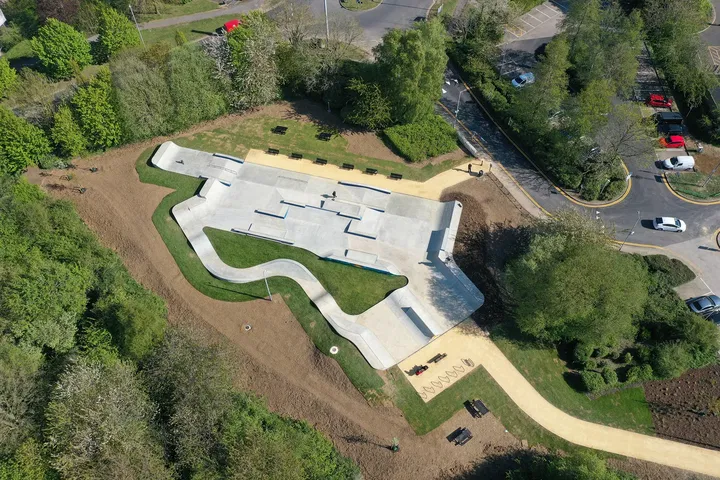
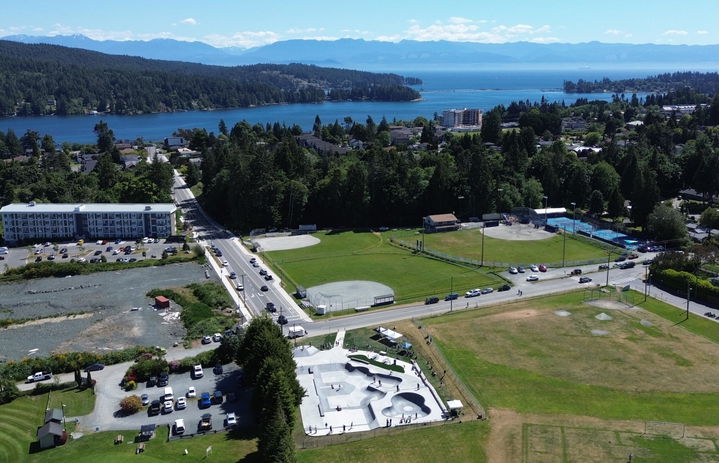
I've added almost 28,000 skateparks to the website. Not with AI, not scraping some database... Just me, zooming in on every single one, looking at the obstacles, noting the construction year. When you spend that much time looking at skateparks across the world, patterns start appearing. You start to see where we came from and where we are. But also, where we're screwing up.
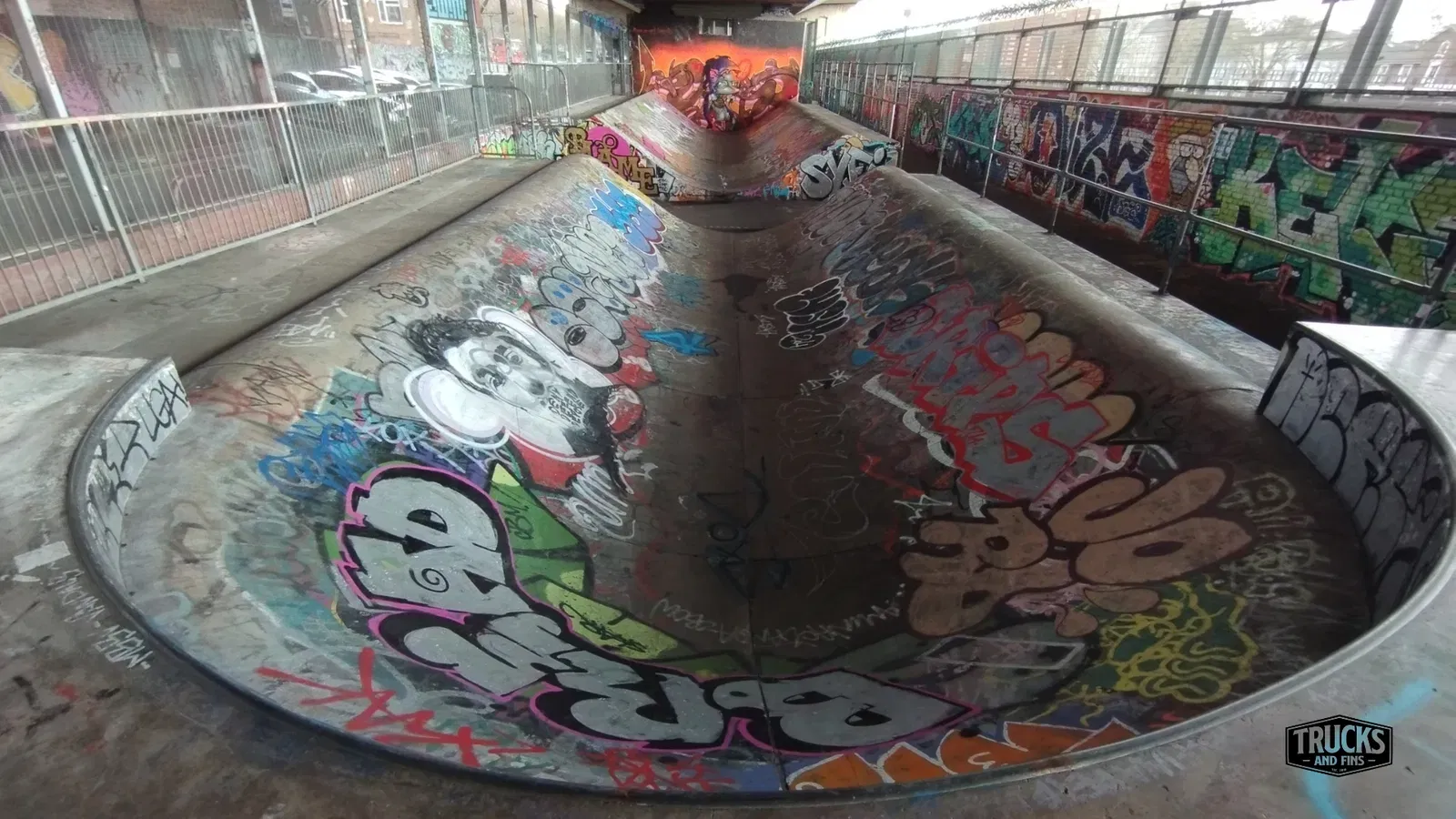
Let's start with the history, because it matters. In the early days it was all transition. At the typical "park" you would find banked ramps, snake runs, that raw 70s/80s DIY energy before "skatepark" was even a thing city halls thought about. Then construction dipped in the 80s. And then, slowly, cities woke up. Modular parks had their moment — prefab ramps, catalogue obstacles, drop a few boxes and rails on a slab of concrete and call it done. Cheap, fast, replicable. For a while that was progress, because the alternative was nothing.
Now it's 2026. Most countries have skateparks. Some countries have an insane density of them. And that's where, I find, the story gets interesting. Having a park isn't the achievement anymore. Almost everybody has a park now. The question is: does anyone actually want to travel to yours?
That's the whole thing, right there. You don't build tourism around a padel court. People play those at home. If, on vacation, you have one nearby, awesome, but I am not getting on a plane for a "specific" court. But skaters? Skaters will book flights, book Airbnbs, plan entire trips around a park. Look at Parque das Gerações skatepark in Cascais. That place is a genuine success story, pulling skaters and pros in from all over the world. That's not an accident. That's what happens when a park (and location) is actually worth the trip. But even there it wasn't a smooth ride, but the city hall pulled it off and now PDG is a bucket list destination packed with people from around the world.
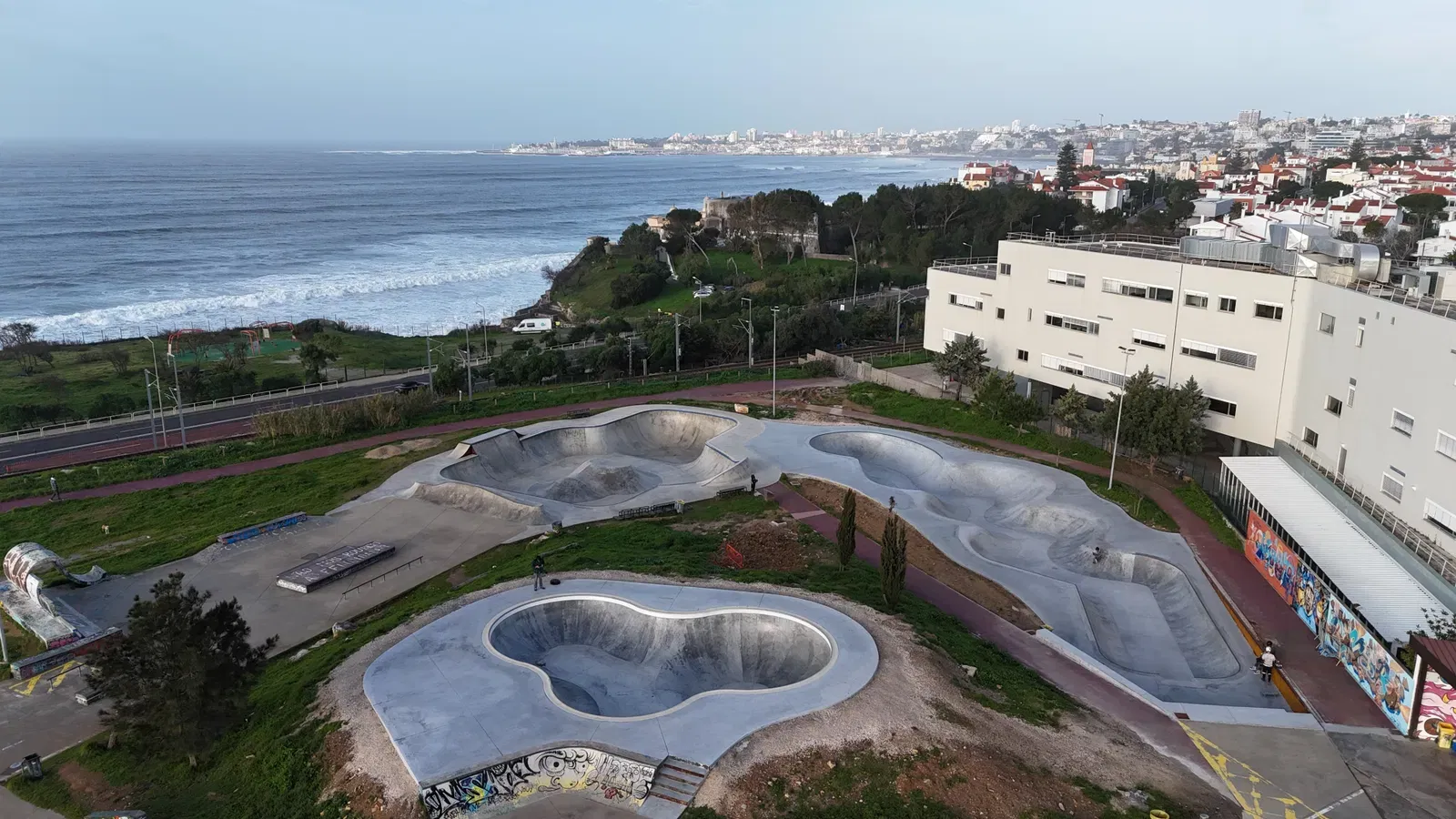
And when a city gets that right, the money doesn't stop at the park gates. It's hotels, Airbnbs, bars, restaurants, gasoline, tolls, food markets, shops, and schools. A good park pulls a whole local economy along with it. A bad park just sits there being "fine for the locals". If you are lucky!
Here's what I keep seeing: city halls building without talking to skaters. No community consultation, no real analysis of what the local scene needs or wants. And then, on top of that, going with the cheapest tender instead of the right one. You end up with another €100,000 park that's "okay". Genuinely, it's better than nothing, local kids will use it if not to skate as instruments to slide off, but nobody is getting in a car, let alone on a plane, to go visit it. Another back-and-forth layout with a bank, a funbox, quarter, rails and manual pad. If you are lucky! We've all skated that park. I've visited almost 1000 parks and when I visit one of those, I just do my "round of honour" to say I skated it.
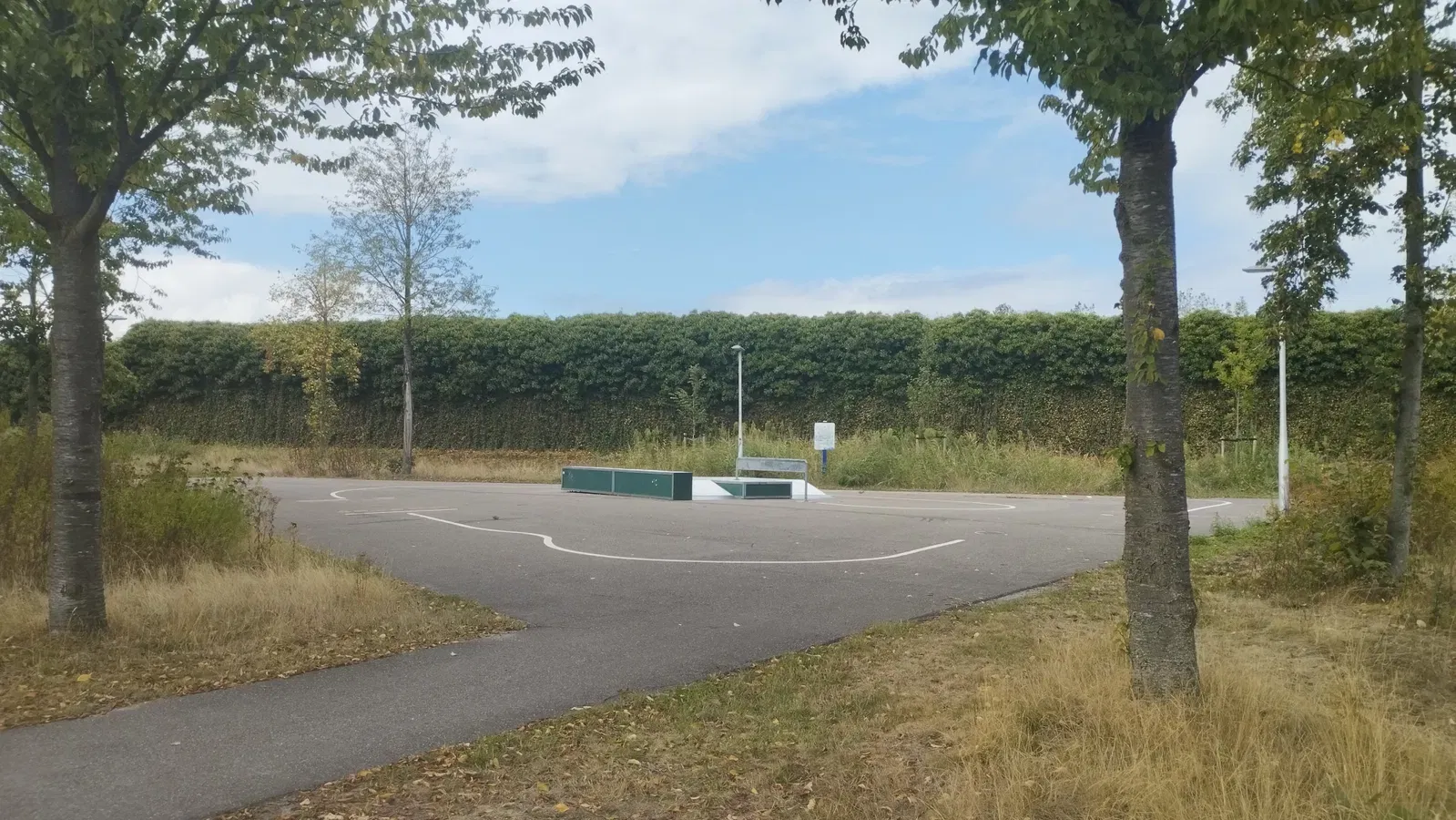
I don't think city halls are malicious about it. Honestly, I think most of them have good intentions and just don't know what they're doing, because skate culture is genuinely its own thing. It's not like building a padel court where every court is basically the same and every community wants the same thing. Get a skatepark wrong and it just sits there, unloved, a wasted budget item, and everyone in the scene knows it. And a community against you is having "uma pedra no sapato", as we say here in Portugal.
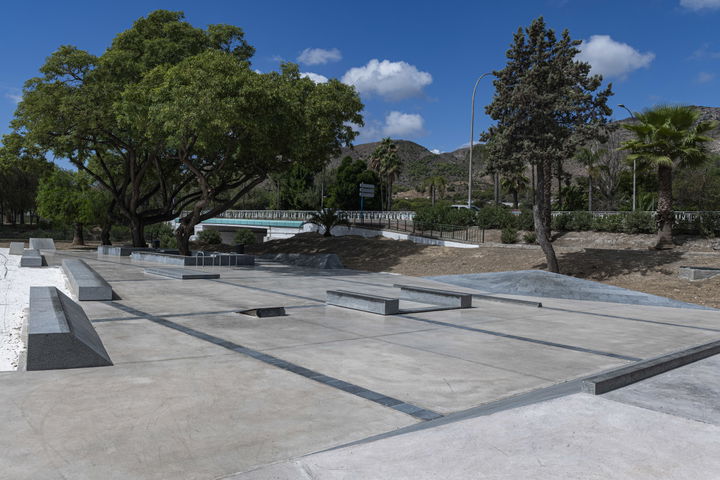
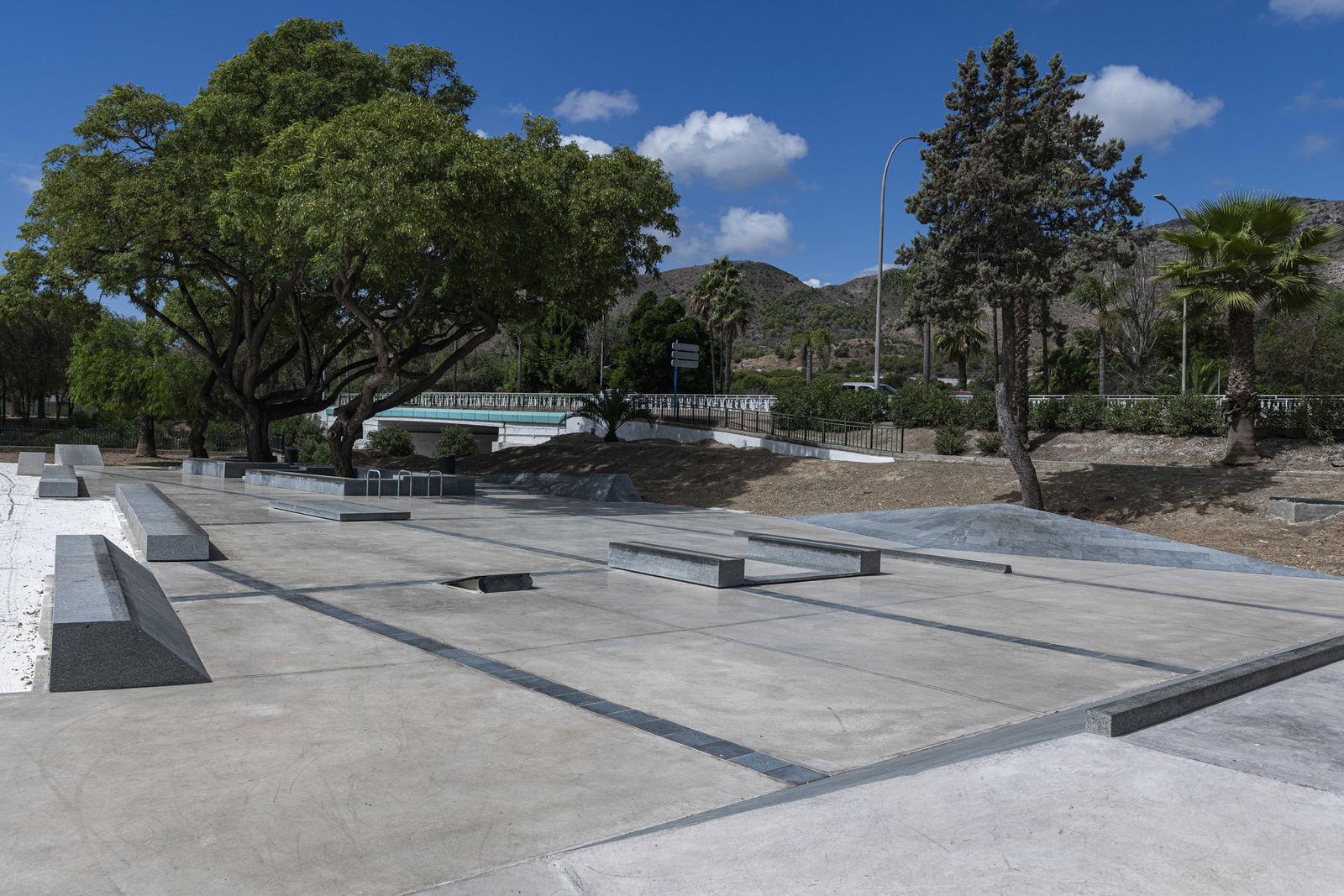
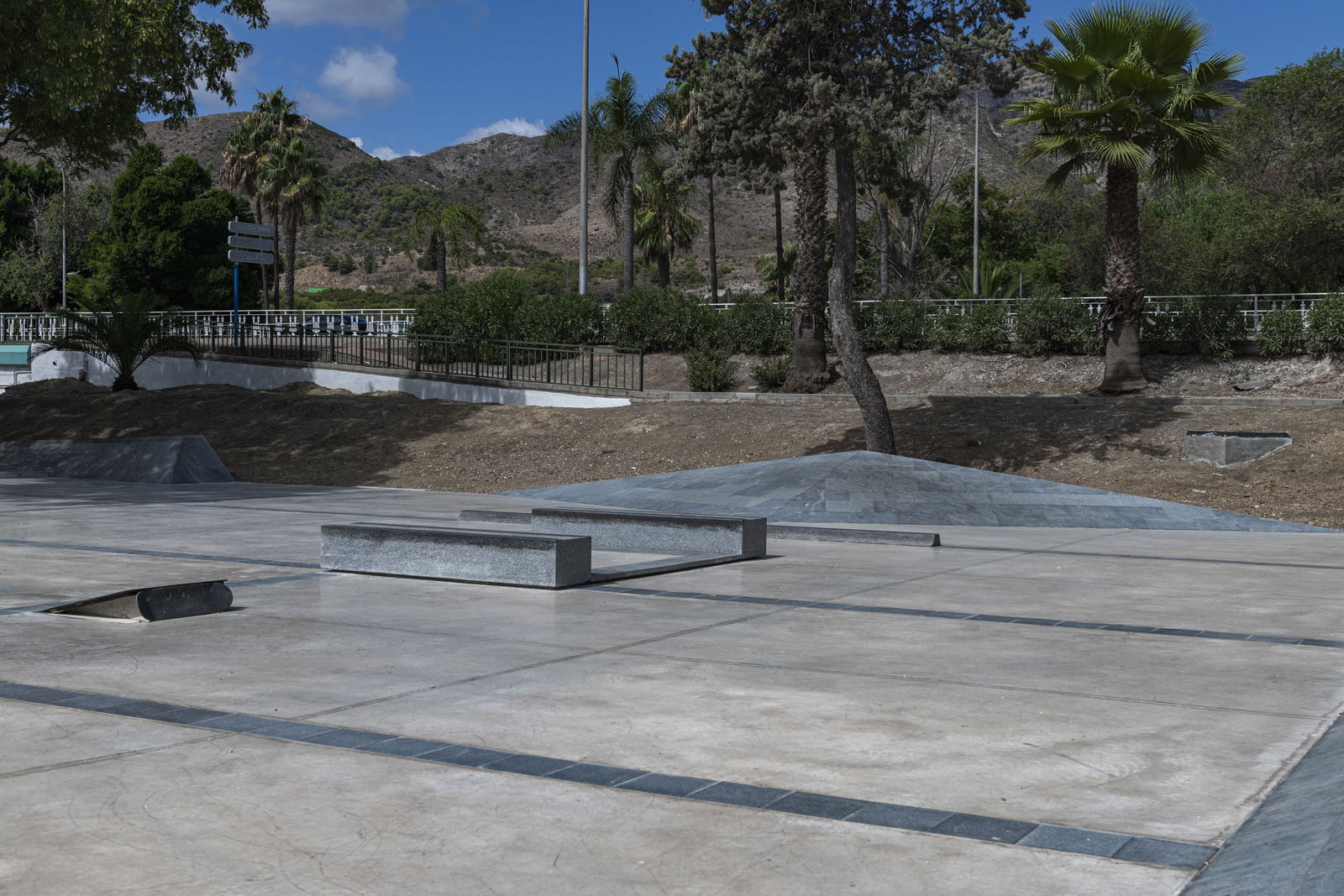
Traditional parks aren't the whole story anymore either. Street skating has its own world, and skate plazas, built for that, not just a transition park with some ledges and rails bolted on, are still rare. Look at what Daniel Yábar has been building. Skaters love it. But most builders and most city halls just don't get it yet. A well-designed plaza with some marble can turn a dead, underused piece of concrete in the middle of a city into a genuine travel destination. That's the opportunity almost nobody is taking.
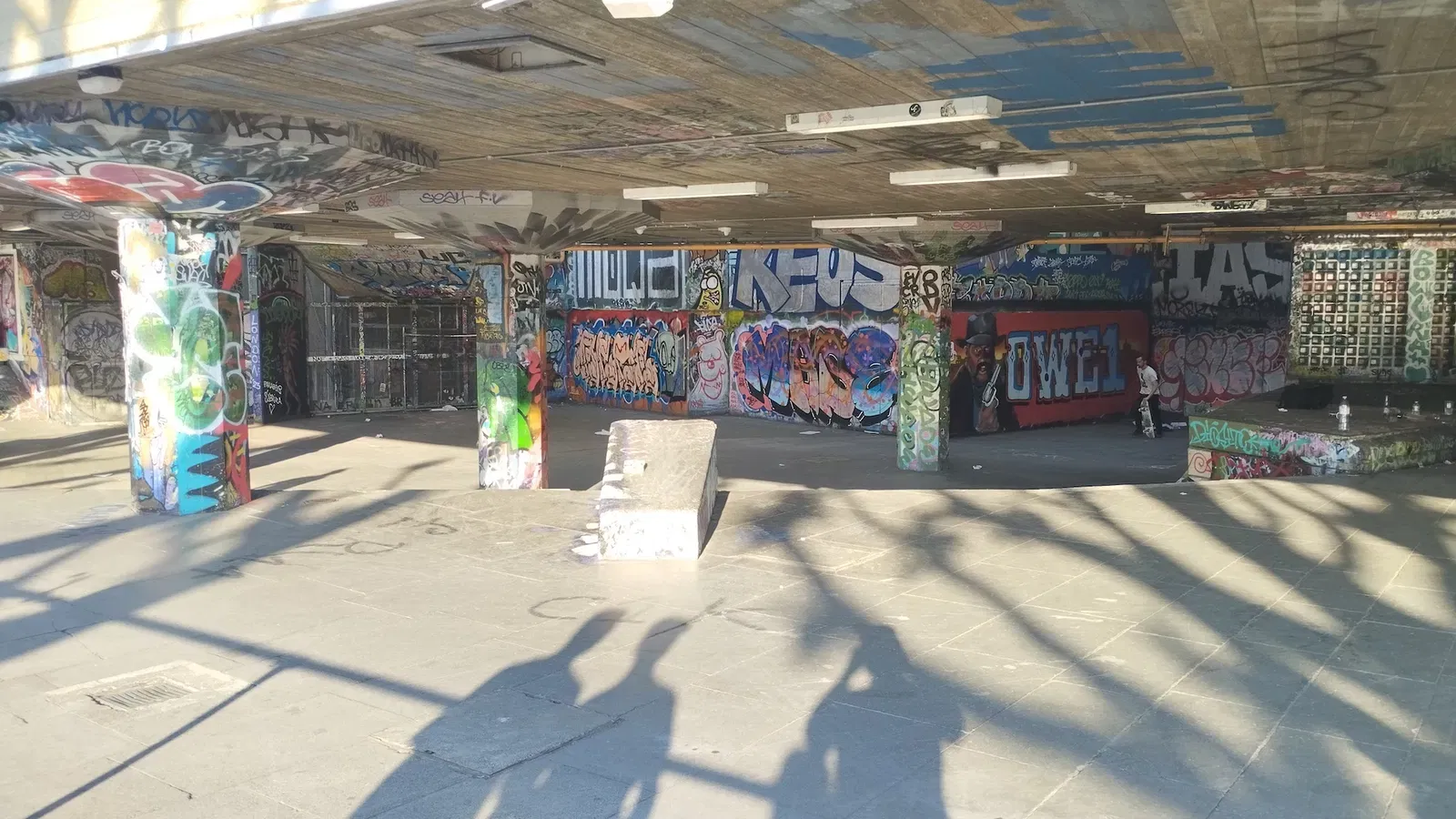
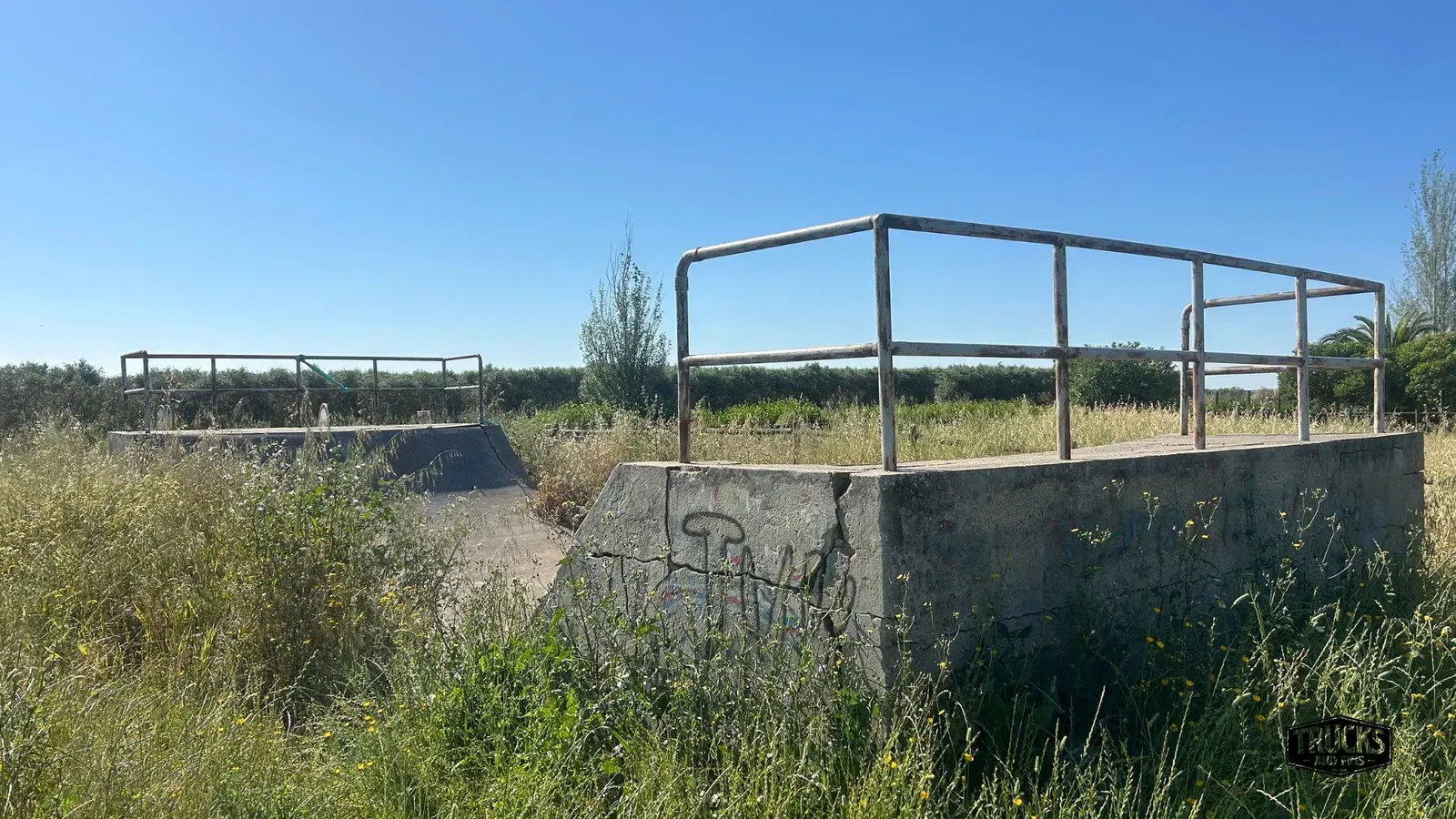
Here's the part that should make every city hall stop and think. Go look at the most-visited parks on TrucksandFins. They're not the million-euro concrete parks. They're the DIY spots. Built with skaters' own money, their own sweat, a GoFundMe, long nights, good times, actual tears sometimes. That's real skate culture. And it's what people are actually looking for, not another "catalogue" park.
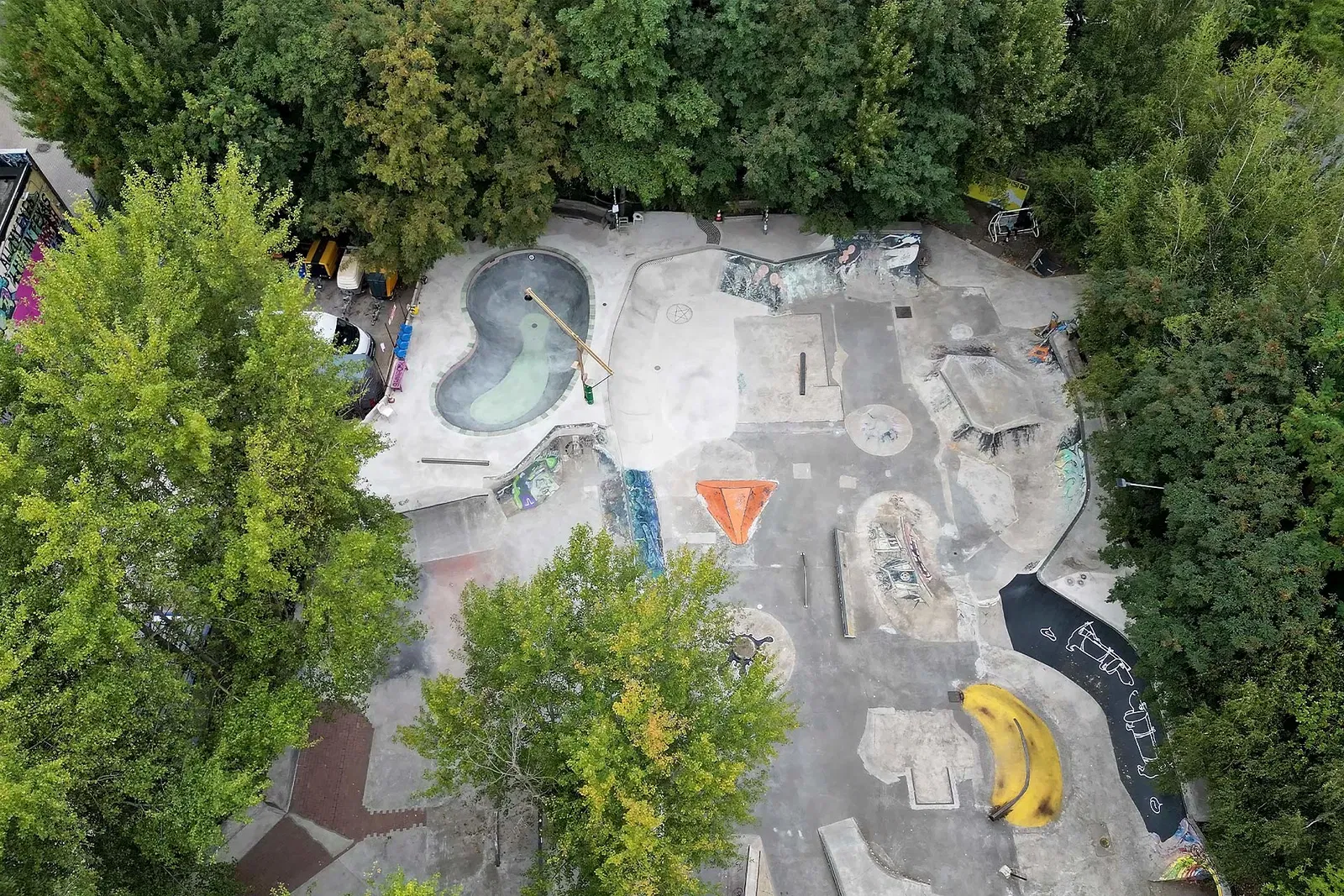
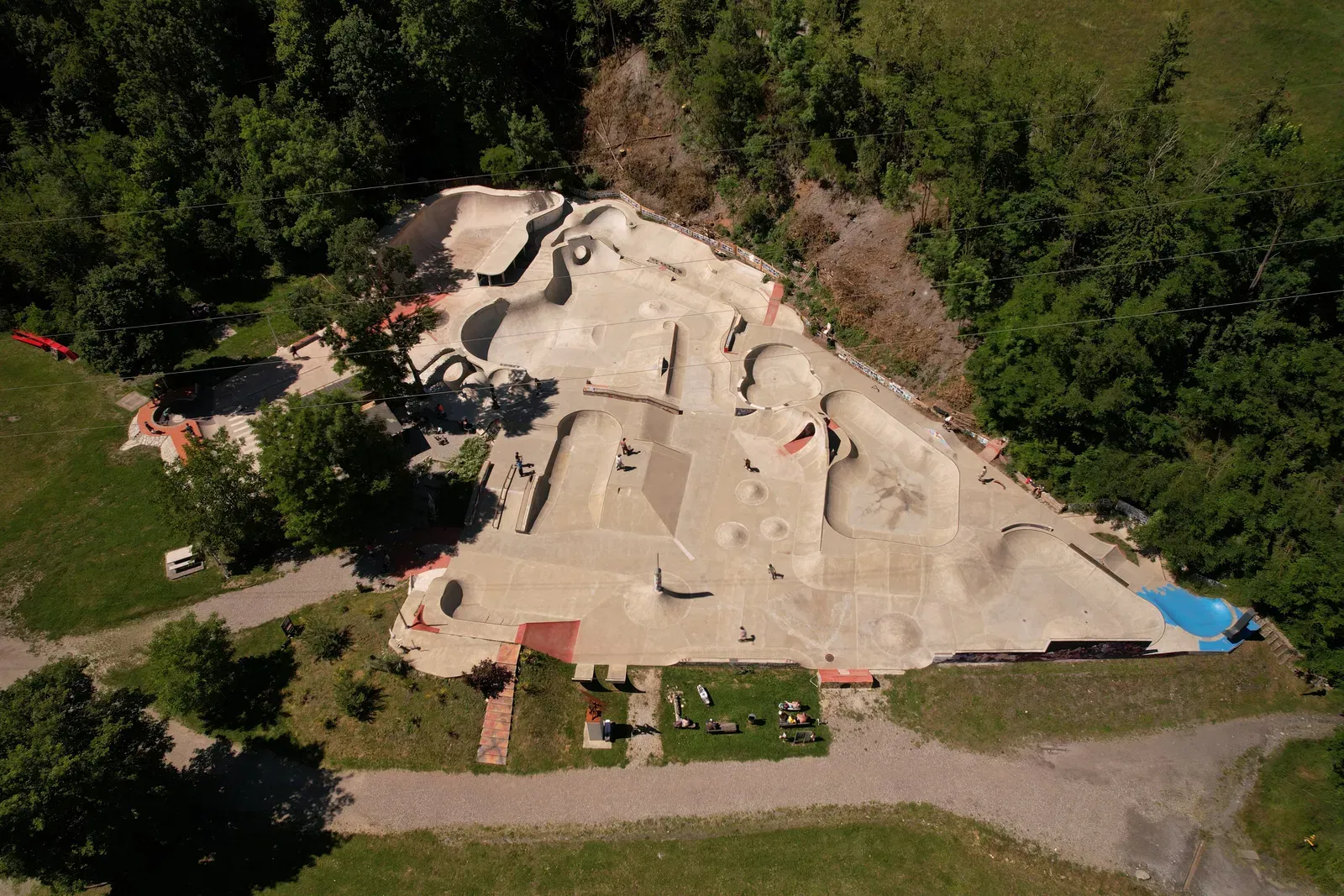
So if a city doesn't have the budget for something ambitious, don't force a "cheaper" modular park just to say you built something. Give skaters a plot of ground and let them build. You'll get less "official infrastructure" and way more soul and you turn the local skaters into allies instead of critics complaining about wasted money. Spend less, get infinitely more out of it. Just look at 2er DIY in Germany and Versus DIY in France.... City halls can't build that... But skaters can.
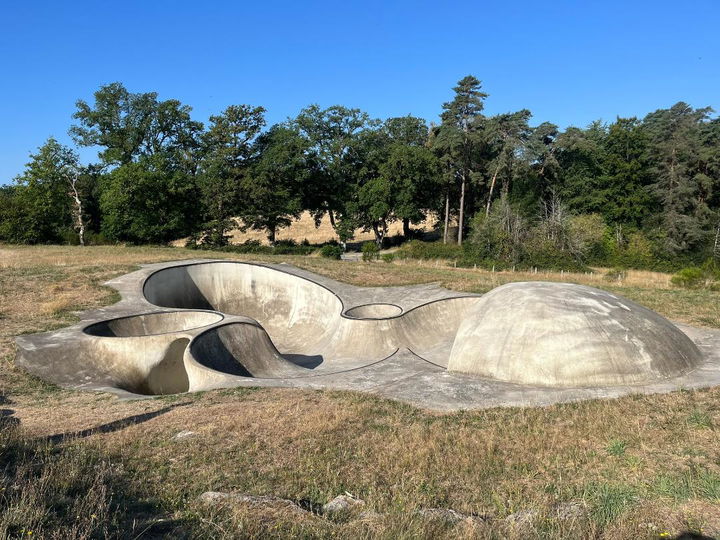
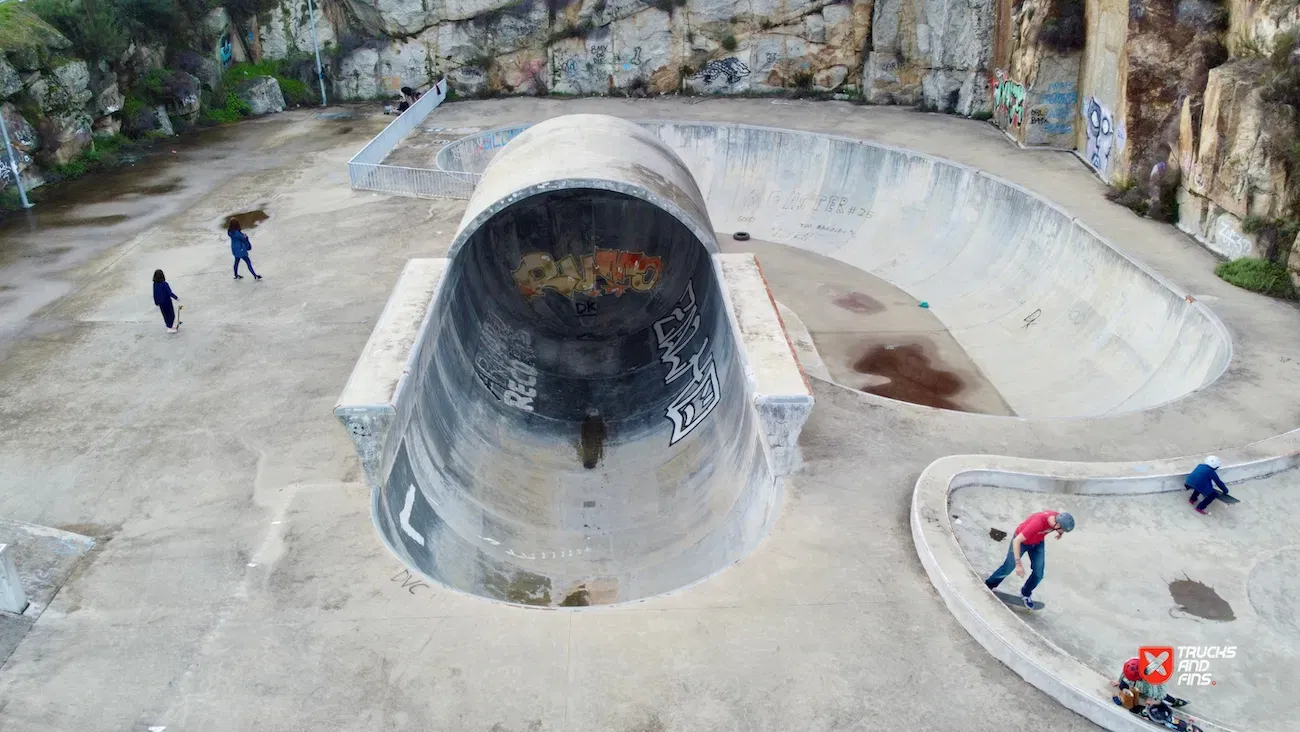
This is my favorite part of the data, honestly, a tiny town in the middle of nowhere can become world-famous because of one park. Belmonte, Portugal is the example I always come back to: one of the craziest bowls in the country, built in a place most people couldn't find on a map. That bowl put Belmonte on the world map. That's the power of building something with actual ambition instead of playing it safe. If this bowl was built in the right location is another story...
Which is kind of wild when you think about it. Not one. We got some older concrete ones, but they definitely don't qualify as the best training grounds. And barely any next-level bowls to train for the Olympics. There's just not much planning happening based on what skaters actually need at a national level and some have to go abroad and look for those kind of parks and meet skaters that push their "level". And I think that's where federations could step in, as the "impartial middleman", the voice that tells a city hall "here's what you should actually build" instead of the city hall guessing. I haven't really seen a country where that relationship works well yet, but I think it's exactly the missing piece. An independent voice. Skaters, BMX riders, rollerskaters, scooter riders ... The whole wheeled community needs that kind of advocate in the room when decisions get made.
Another thing I keep noticing in the data: some countries build BMX or scooter-specific parks, others build the "all-in-one" — skaters, rollerskaters, BMX, scooters, surfskate, everyone sharing one space. The all-in-one is good in the sense that it's inclusive, but every one of these disciplines has its own characteristics, its own ideal terrain. Most parks get built "for skaters, everyone else can use it too". I think there's a real opportunity being missed here: purpose-built parks for specific disciplines, done properly, instead of one compromise park trying to serve everyone a little bit.
Step one, always: get skaters involved and actually listen to them.
Step two: city halls need to ask themselves a real question before they spend a cent. What is this park actually for? Infrastructure for the local scene, full stop? Or a destination people will travel for? Both are valid goals. But you have to pick one honestly, because the answer changes everything about how you build it, materials you use, what you invest, and what you should expect to get back.
We're in a good place compared to where we started. Parks are popping up everywhere now, when a couple of decades ago there was basically nothing and you had to build ramps yourself. But a big percentage of those builds have been bad decisions: rushed, generic, chosen on price instead of purpose. The future of skateparks isn't more modular catalogue installs. It's cities actually listening to the people who'll use them, getting honest about what they're trying to achieve, and being willing to build something with an identity. Even if that means handing skaters a slab of concrete and getting out of the way and letting them do their thing. Funny how DIY's are the cleanest parks in the world.
Get that right, and a skatepark stops being a line item on excel in a parks department budget. It becomes a reason people fly across the world to visit your town.
Join the Trucks and Fins community and receive exclusive news, giveaways, access to subscribers-only
-contests, discounts from our partners and much more directly from us!

Trucks and Fins is a huge present to the whole skate community - not just for the skating people, but also for shops, builders and schools. Super easy to use and can't believe how complete it is.
Pascal Lieleg aka Official Bowlshit

Trucks and Fins is a great resource for checking on local spots if you are traveling or planning a road trip! A one stop resource that is constantly updated with the newest projects as well as those bucket list locations worldwide. The intuitive UI features gps coordinates as well as useful information about shops nearby.
Architect Betonlandschaften

Our skate community has been crying out for a comprehensive guide to global skate spots. Trucks and Fins should be commended on their dedication to mapping the world's STOKE!
Maverick Skateparks

Trucks and Fins brings all of the world's skateparks to you all in one convenient place through their endless search for parks around the world. They have park locations, details, images, and more to help plan your next skate quest wherever that may take you. We appreciate their dedication and passion for skateboarding and the amazing gifts that skateparks and skate spots are.
Steve Zanco, Skatepark Respect
A big part of skateboarding is about finding Animal Chin - your spirit animal, or in other words: whatever gets you stoked. Could be the right people to roll with, or that special dream terrain. Trucks and Fins has all the best skate destinations in one place; a map of stoke in your hands.
Jan Kliewer, Yamato Living Ramps
