
Trucks and Fins is a huge present to the whole skate community - not just for the skating people, but also for shops, builders and schools. Super easy to use and can't believe how complete it is.
Pascal Lieleg aka Official Bowlshit
I've added over 28,300 skateparks to TrucksandFins, building what has become the world's largest skatepark directory.
After documenting skateparks around the world for years, one thing has become increasingly clear to me: far too many skateparks are being built without properly listening to the people who will use them.
And honestly, some of the results are shocking.
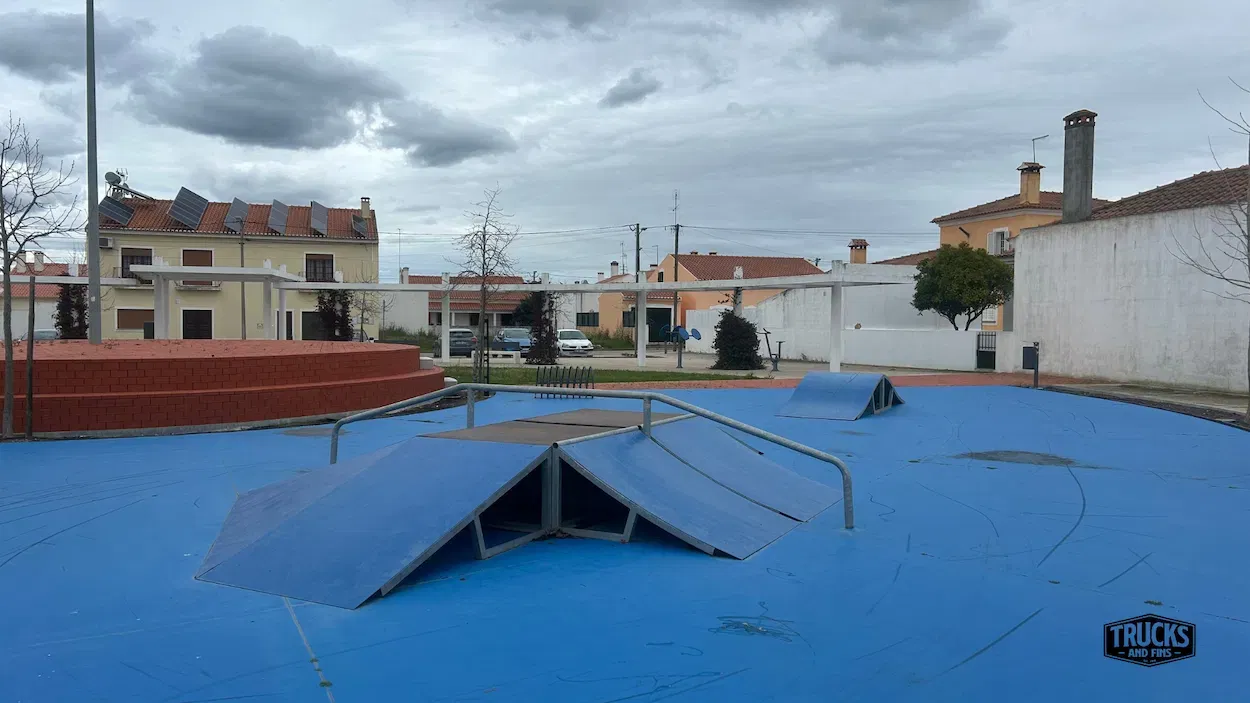
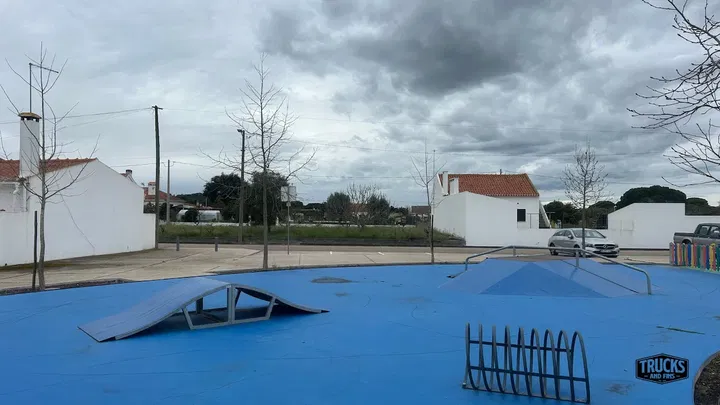
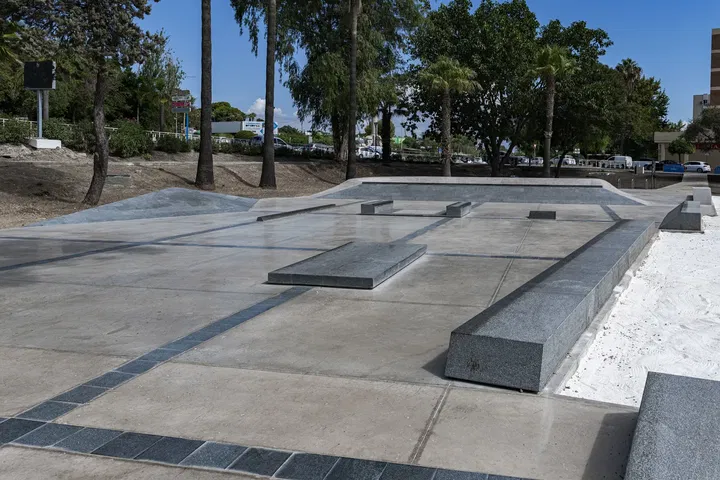
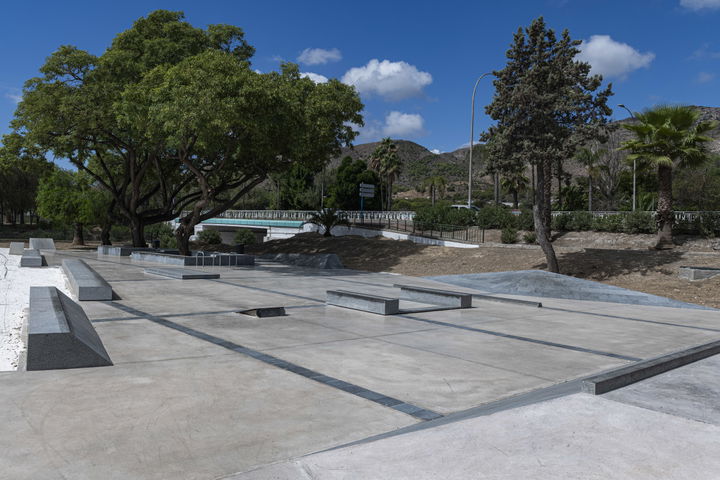
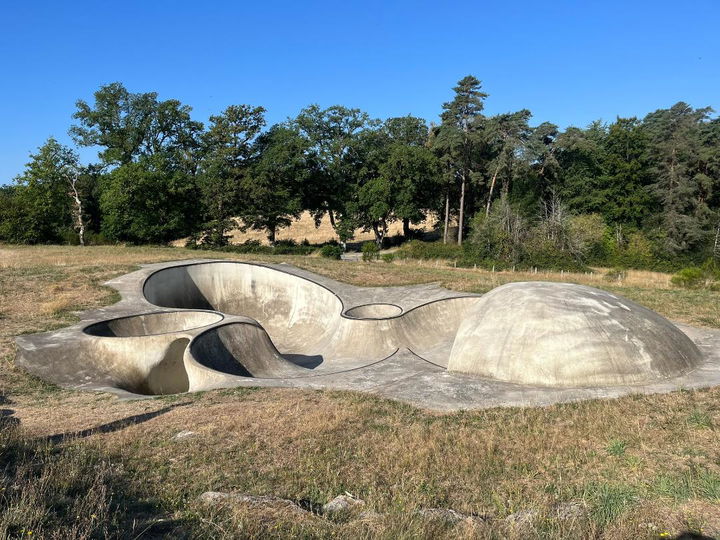
I'm sharing two examples: Couço Skatepark, where one of just two obstacles appears to have been placed in the wrong direction, and Nisa Skatepark, where a significant investment has left local skaters questioning what the money was spent on.
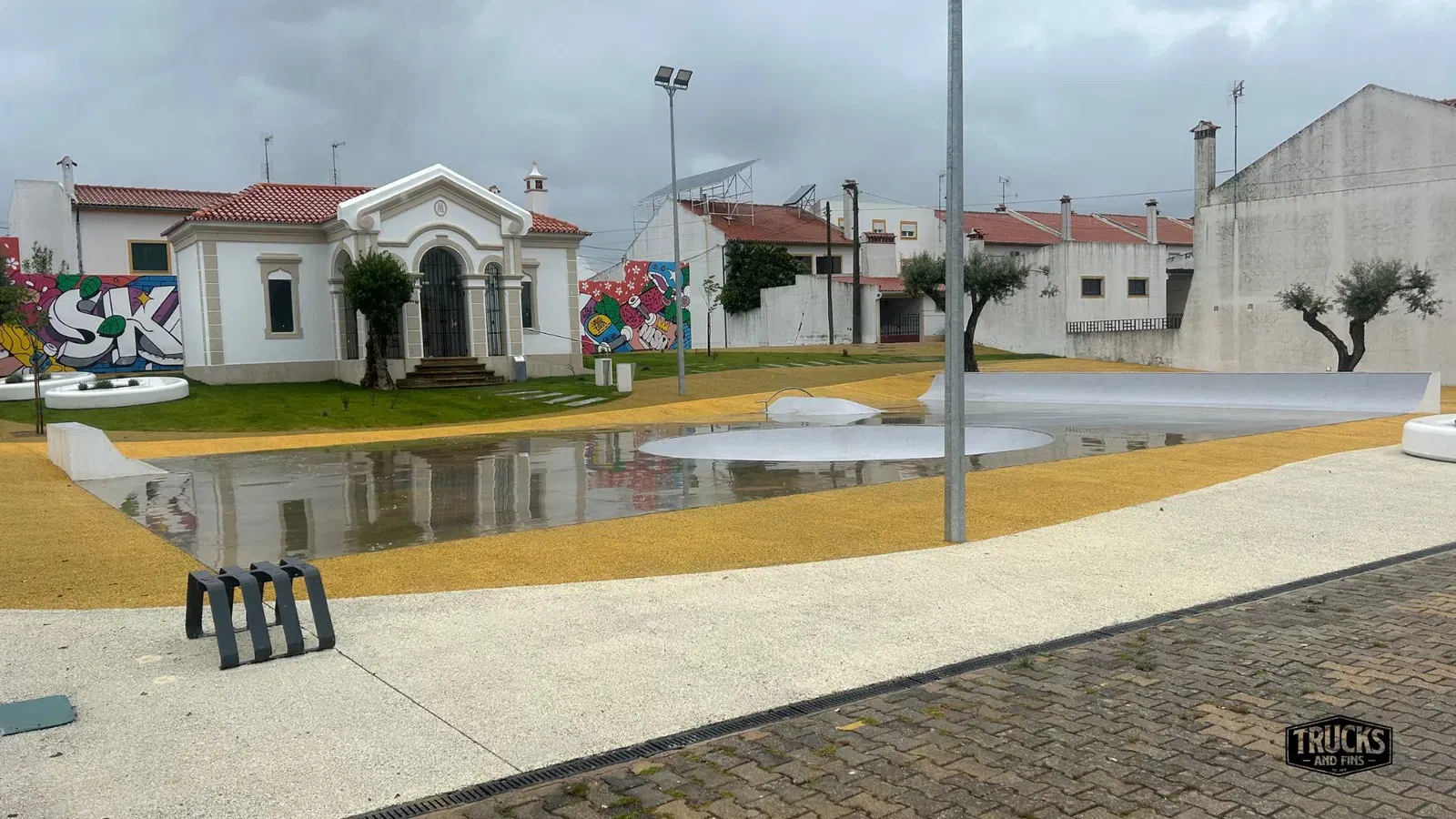
These aren't just isolated frustrations. They point to a bigger problem.
Why are cities investing public money in skateparks without properly consulting their local skateboarding communities?
A skatepark isn't a playground with concrete or modular obstacles. It's a specialised piece of sports infrastructure that requires an understanding of skateboarding, flow, transitions, obstacle placement and the needs of different riders.
Being able to build a playground doesn't automatically make you qualified to design or build a great skatepark. And when cities choose a proposal mainly because it's the cheapest, without independently evaluating the design or the builder's experience, everyone can lose.
The city wastes public money. The community gets a park it doesn't want to use. And eventually, someone asks the inevitable question:
We built a skatepark, but nobody uses it. Why should we invest in skateboarding again?
But did anyone actually ask the skaters what they needed in the first place?
I believe community consultation should be a standard part of every new public skatepark project. Local skaters should have a voice before the design is finalised, and cities should have access to independent expertise to help them make informed decisions.
This is also where TrucksandFins wants to make a difference.
We're working on a new programme to help cities assess their existing skateboarding infrastructure, identify what's missing, understand what kind of skatepark would best serve their area, and connect them with experienced builders through a platform where their work and evaluations from skaters can be seen.
The goal isn't to find the cheapest builder. It's to help cities find the right builder for their community and their budget.
Because a well-designed skatepark can be much more than a local sports facility. It can attract riders from other cities and countries, support local businesses and contribute to skate tourism.
After documenting more than 28,300 skateparks, I believe we need to stop measuring success by how many skateparks we build and start measuring it by how good they are, how many people use them, and how much they contribute to their communities.
If you're a skater, a skatepark builder or someone working in local government, I'd love to hear your thoughts.
Should community consultation be a standard part of every publicly funded skatepark project?
And who should make sure it happens?
Join the Trucks and Fins community and receive exclusive news, giveaways, access to subscribers-only
-contests, discounts from our partners and much more directly from us!

Trucks and Fins is a huge present to the whole skate community - not just for the skating people, but also for shops, builders and schools. Super easy to use and can't believe how complete it is.
Pascal Lieleg aka Official Bowlshit

Trucks and Fins is a great resource for checking on local spots if you are traveling or planning a road trip! A one stop resource that is constantly updated with the newest projects as well as those bucket list locations worldwide. The intuitive UI features gps coordinates as well as useful information about shops nearby.
Architect Betonlandschaften

Our skate community has been crying out for a comprehensive guide to global skate spots. Trucks and Fins should be commended on their dedication to mapping the world's STOKE!
Maverick Skateparks

Trucks and Fins brings all of the world's skateparks to you all in one convenient place through their endless search for parks around the world. They have park locations, details, images, and more to help plan your next skate quest wherever that may take you. We appreciate their dedication and passion for skateboarding and the amazing gifts that skateparks and skate spots are.
Steve Zanco, Skatepark Respect
A big part of skateboarding is about finding Animal Chin - your spirit animal, or in other words: whatever gets you stoked. Could be the right people to roll with, or that special dream terrain. Trucks and Fins has all the best skate destinations in one place; a map of stoke in your hands.
Jan Kliewer, Yamato Living Ramps
