
Trucks and Fins is a huge present to the whole skate community - not just for the skating people, but also for shops, builders and schools. Super easy to use and can't believe how complete it is.
Pascal Lieleg aka Official Bowlshit
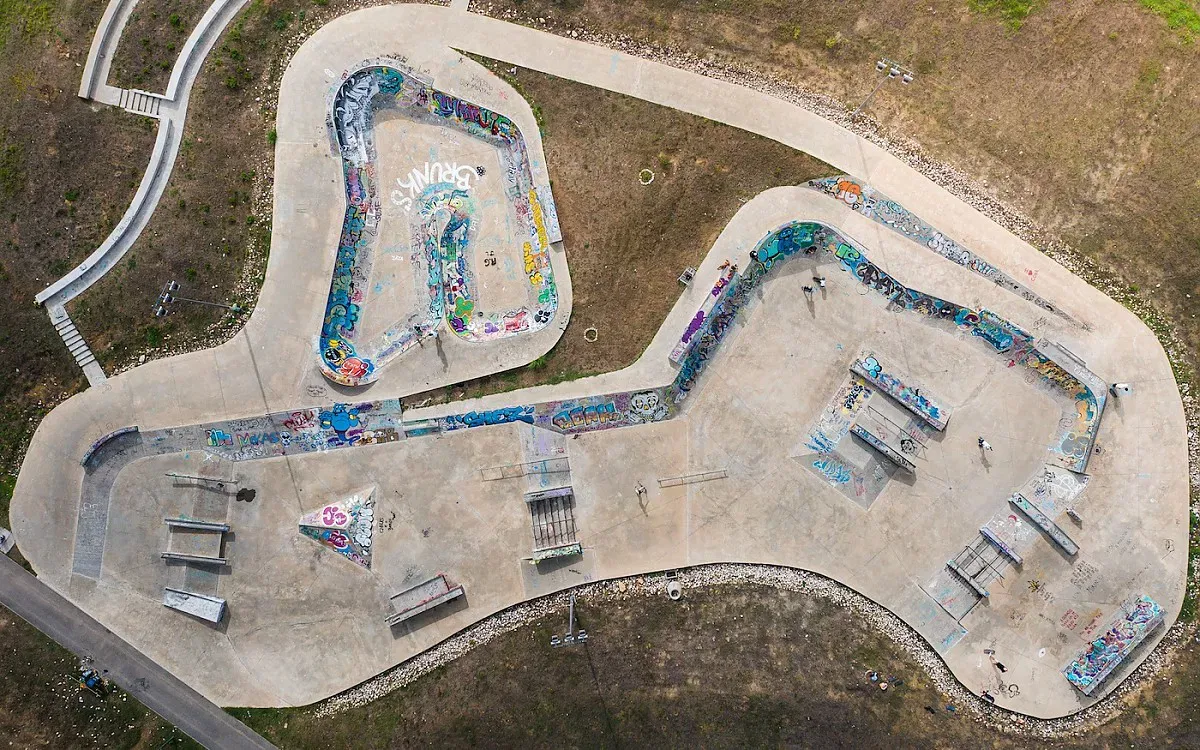
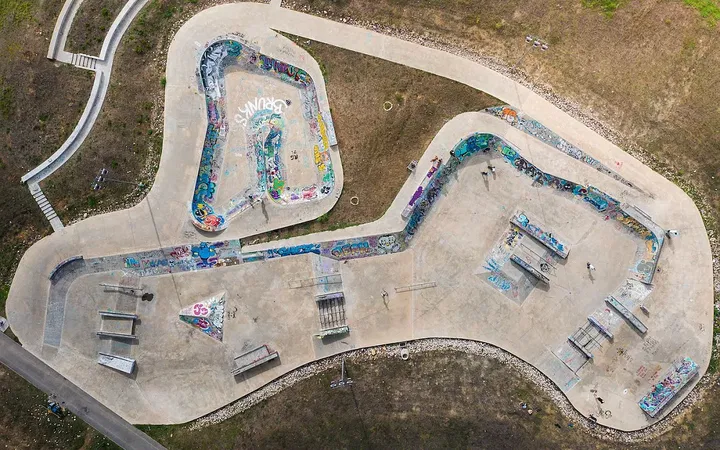
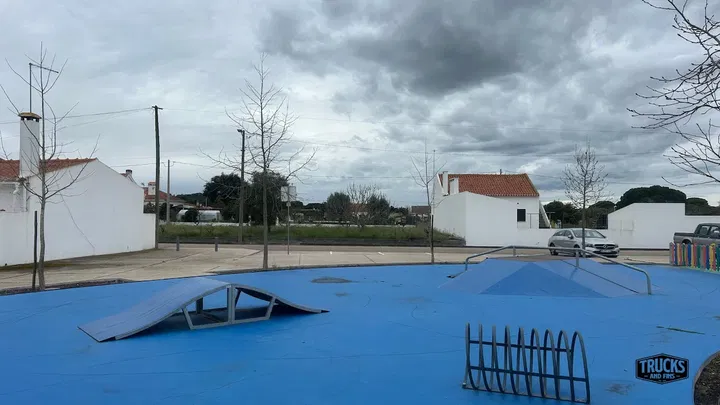
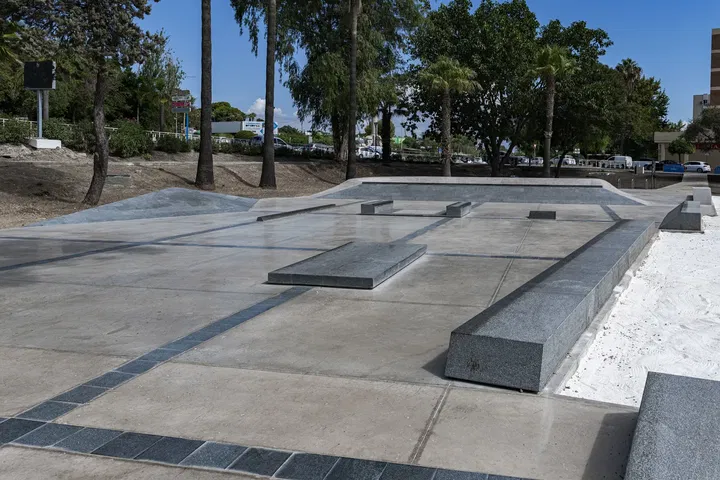
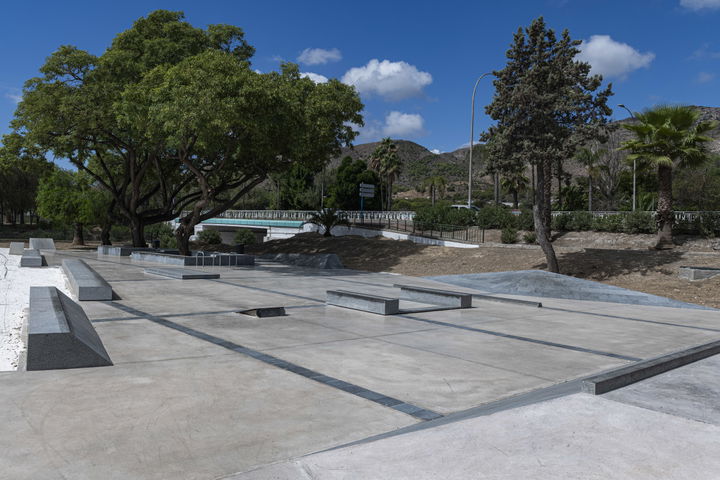
I've personally skated and photographed 966 skateparks. Our directory now documents more than 28,350 parks around the world. And the question I get asked more frequently probably is: why are so many of them empty? It's a fair question. Scroll through the photos on the site and instagram and you'll see that the majority of the parks have nobody on the photos. It's tempting to jump to the obvious conclusion: skateboarding is dying.
It isn't. If anything, the opposite is true. The problem isn't skateboarding. It's how we build, run and promote skateparks.
The numbers point the other way. In the United States, skateboarding participation grew by around 40% between 2019 and 2024. The Olympics brought skateboarding to a new, younger and more diverse audience. More girls and women are skating than ever before. And the parks keep coming. Never in history have so many skateparks been built. In our directory we see new ones appear every week, in small towns and big cities, on every continent. They're popping up like mushrooms.
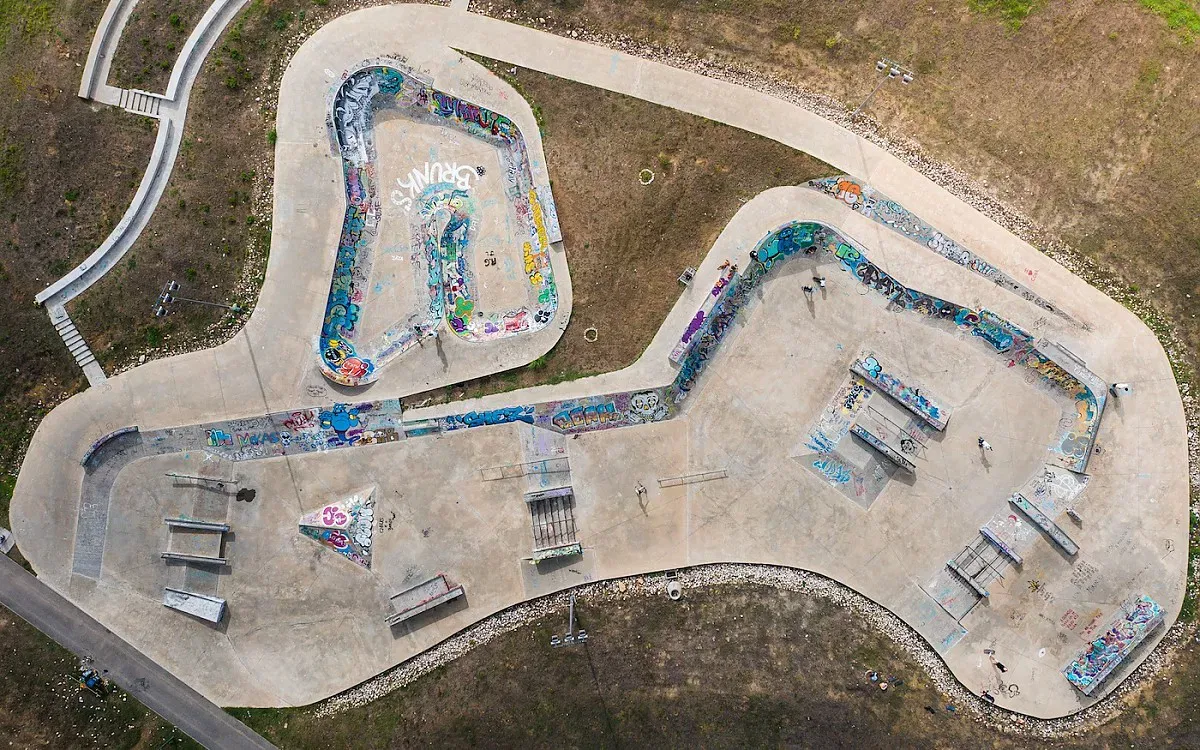
Here's the interesting part. An economics study of Lauridsen Skatepark in Des Moines, the largest in the US, found that even with all this building, park development still needs to catch up to the number of users. So demand is there. Skaters are there. If a park sits empty anyway, we need to look at the park, not at skateboarding.
Photos don't tell the whole story. Many park pictures are taken on a morning during the week, while kids are at school, or just after it rained. I prefer photos of an empty park because the architecture looks cleaner.
But after visiting nearly 1,000 parks, I can tell you this isn't just a photo problem. I've stood in brand-new parks on a sunny Saturday afternoon with nobody there. And I've seen older, rougher parks or DIYs, packed from morning to night.
The difference between those two parks almost never comes down to the concrete alone. In my experience it comes down to four things.
In countries like the USA and the UK, public consultation is a normal part of building a skatepark. Local skaters are invited to workshops, they review the designs, and they argue about whether the park needs a bowl or a street plaza. It's not always smooth, but the people who will use the park get a say.
In many other countries it works differently. The skatepark becomes a deal between the city hall and the builder. The builder proposes a design, the city approves a budget, and the park appears. The people who are actually going to ride it are never asked.
The result is predictable. You get a park built for pros in a town full of beginners. Or a shitty park full of obstacles nobody uses, missing the one feature the local scene really wanted. Or one built in a corner of town that no teenager can reach without a car.
Build the wrong infrastructure and people won't use it. It's that simple. Some builders know how to pour concrete. Only the local community knows what it actually wants and needs.
Every busy skatepark I've visited has one thing in common: a heart. It's a group of people who bring the place to life. They teach kids to drop in for the first time. They organise jams, contests and classes. They sweep the glass off the ramps, report broken coping, help keep the park clean and make newcomers feel welcome. That community is what turns a slab of concrete into a place people want to go.
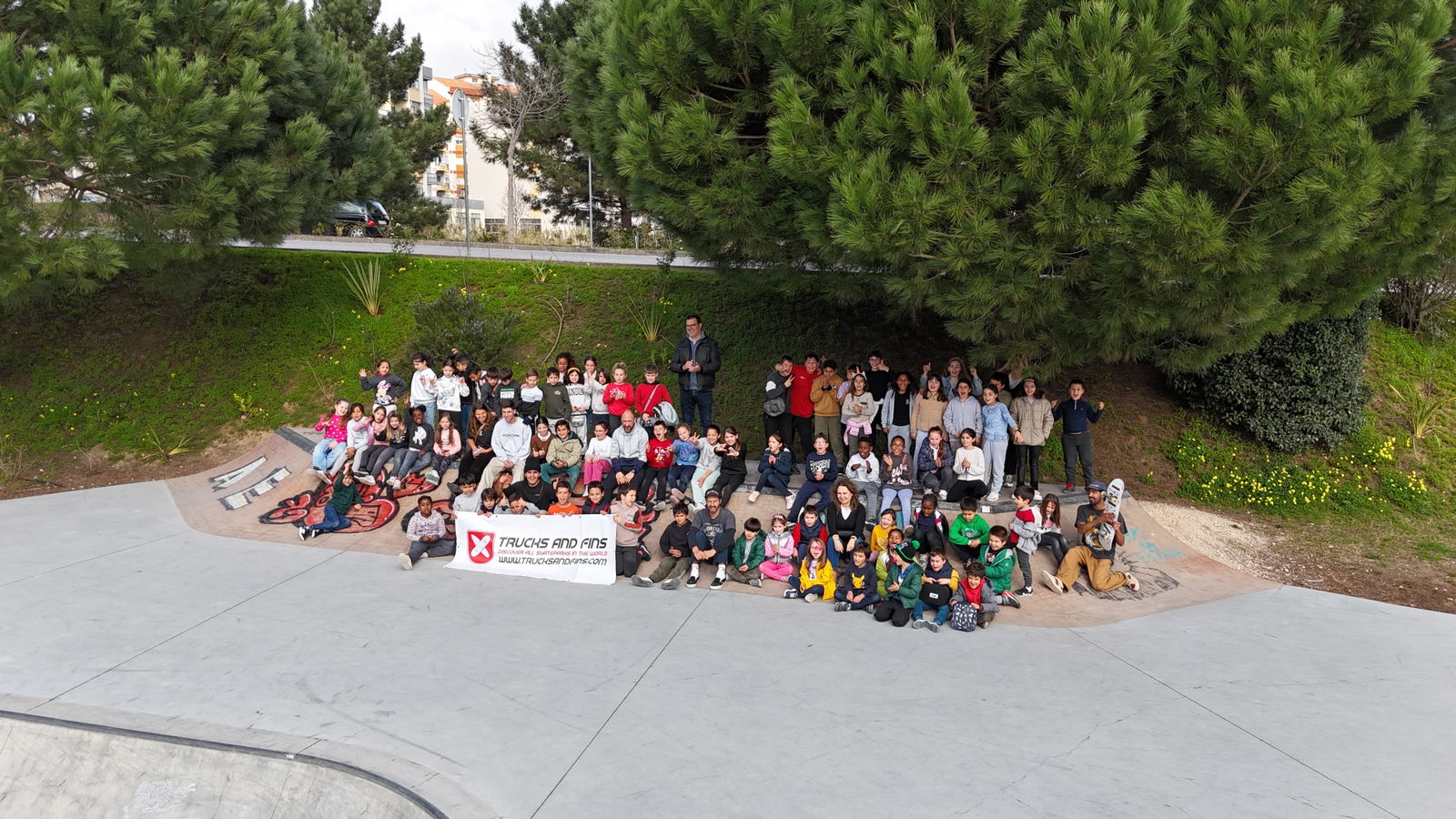
Most city halls stop investing the day the ribbon is cut. The budget goes into construction, and nothing is left for what comes after. But a park without a community slowly dies, and a quiet park is one that families and beginners stop trusting.
To be clear, city halls don't need to organise events themselves. That's not their job, and they're rarely good at it. Their job is to support the people who do: local associations, skate schools, event organisers. And for that support to work, the park needs a community in the first place. Investing in that community is the cheapest way to protect the money already spent on concrete.
This one surprises people, but it's the one I see most often. Many skaters simply don't know a park exists. Not tourists, not skaters from the next town over, and sometimes not even locals. Cities spend hundreds of thousands of euros on a park and then announce it with a single post on the municipality's Facebook or Instagram page, the city hall's website and if lucky they appear in the local newspaper. After that, silence. No listing where skaters actually look, no photos, no details on what the park offers or when events happen.
Today, skaters plan their sessions and their trips online. They search for parks before they travel, before a weekend away, before a family holiday. If your park isn't where they're looking, for them it doesn't exist. A city that promotes a museum, a beach or a festival should promote its skatepark the same way. It's a public asset, and it only creates value when people use it.
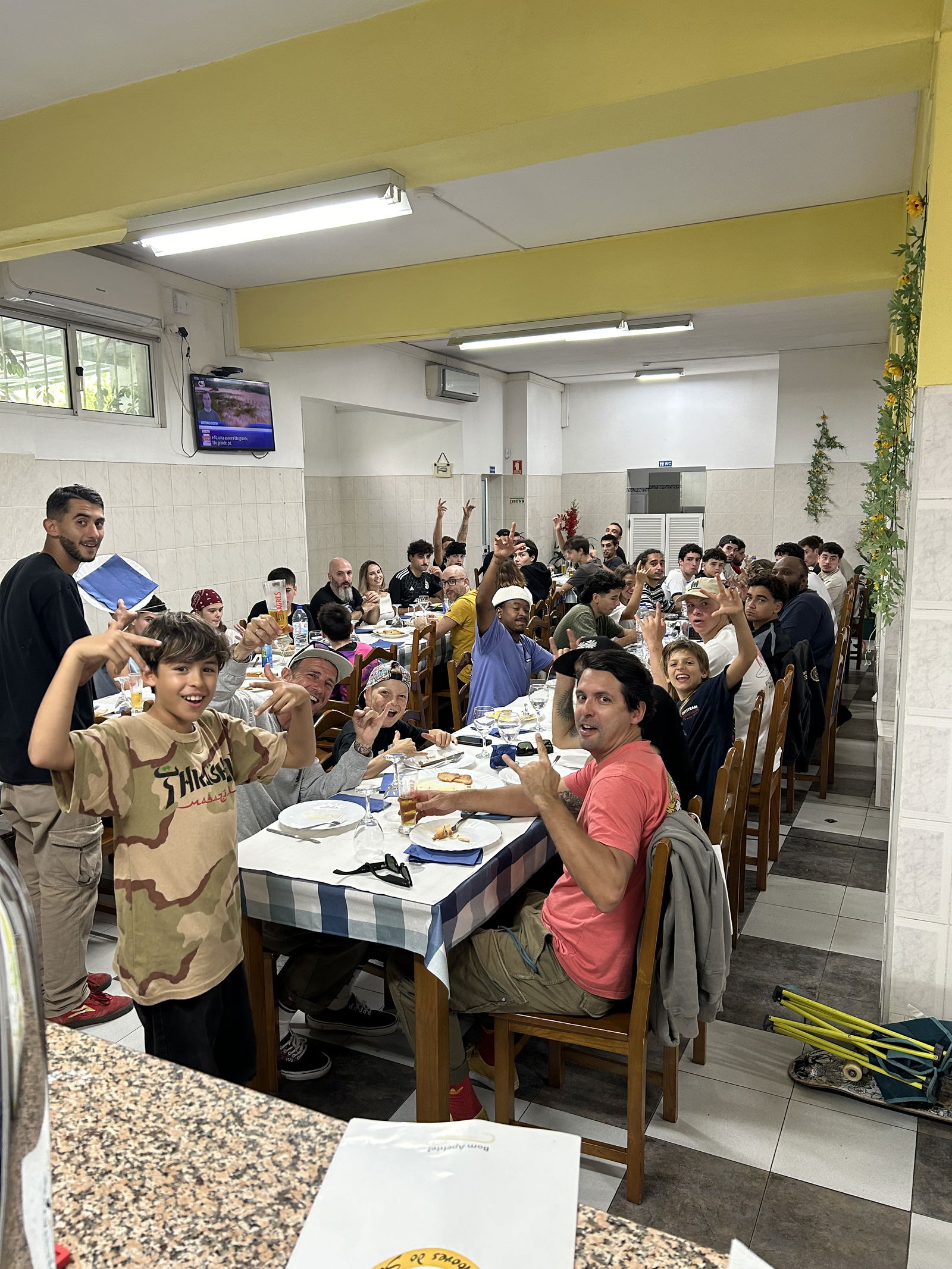
Ask any skater over 30 about the first demo they saw. A van full of pros rolls into town, rips the local park, signs some boards, and a whole generation of kids is hooked. For decades, brands did a lot of the work of bringing parks to life.
That model has faded. One US shop owner told Quartersnacks they used to host demos often, and now get one every year or two. Brand insiders describe travel budgets shrinking from monthly trips to a couple a year. Today most brands support local scenes with some merch and a social media post, and organise little or nothing themselves.
This isn't simple greed. Many core skate brands are struggling with overstock, inflation and a wave of bankruptcies, and marketing has moved from the road to Instagram. The irony is that skateboarding keeps growing, but much of the money flows to big footwear and sportswear companies, not to the brands that used to tour.
Whatever the cause, the result for parks is the same. The old system that sent life and inspiration into local parks has shrunk, and nobody has replaced it. That gap is exactly where cities and local communities need to step in.
Those four are the big ones, but they aren't the only ones. A few other factors come up again and again:
Maintenance. Cracked concrete, rusty coping and broken glass drive people away fast.
No shade, light, water or toilets. In southern Europe, a park with no shade is unusable on a summer afternoon. Without lights it closes at sunset in winter.
Nothing for beginners. Parks built only for experienced riders scare off kids, parents and adults learning for the first time, exactly the people a public park should welcome.
Location. A park on the edge of town with no bus stop is a park for people with a parent who drives.
Sharing the space. Skaters, scooters, BMX riders and inline skaters all use the same parks. Without good design and a bit of community culture, that can lead to conflict and people staying away.
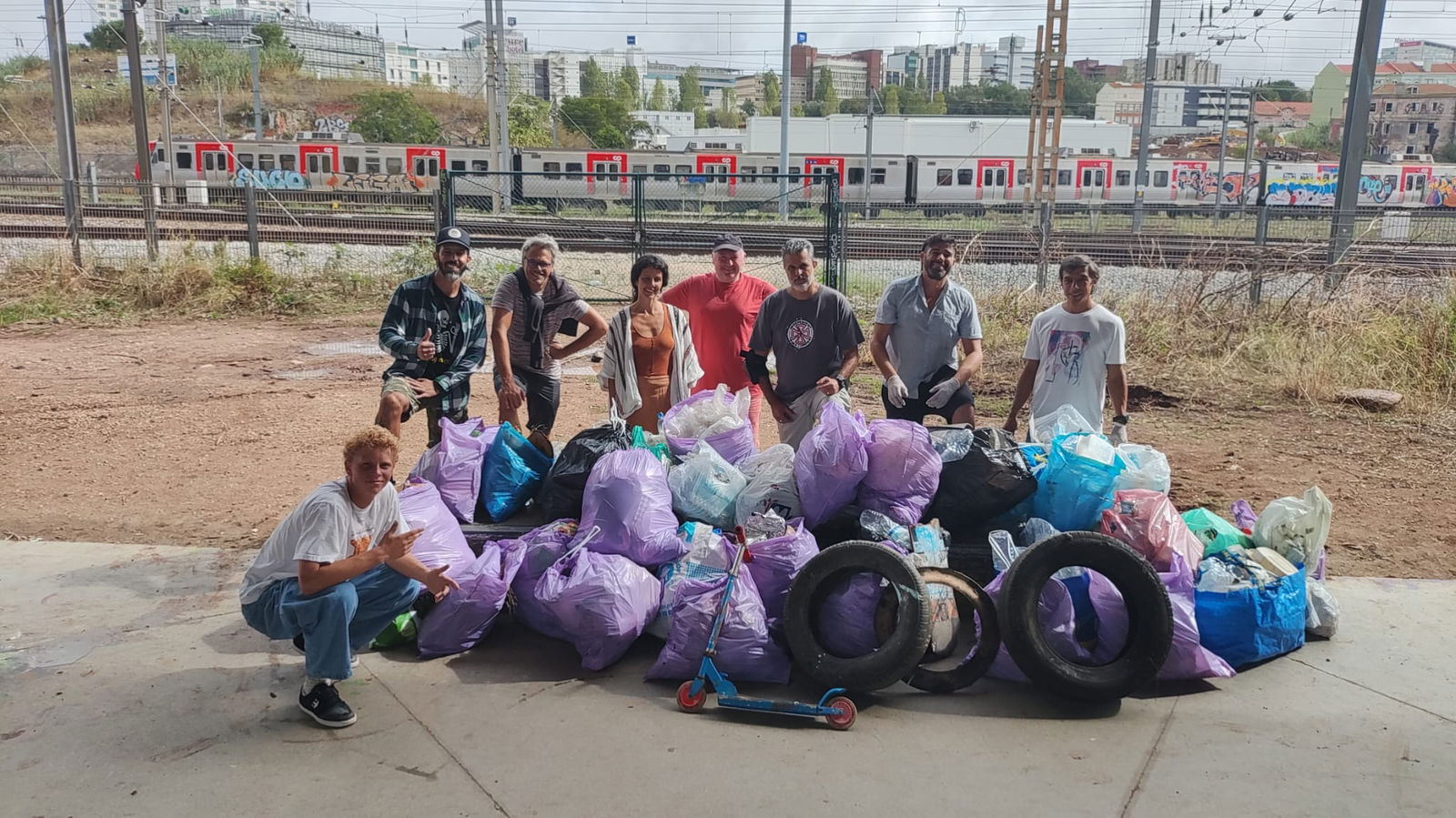
Notice that almost all of these come back to the same root cause: decisions made without the people who use the park.
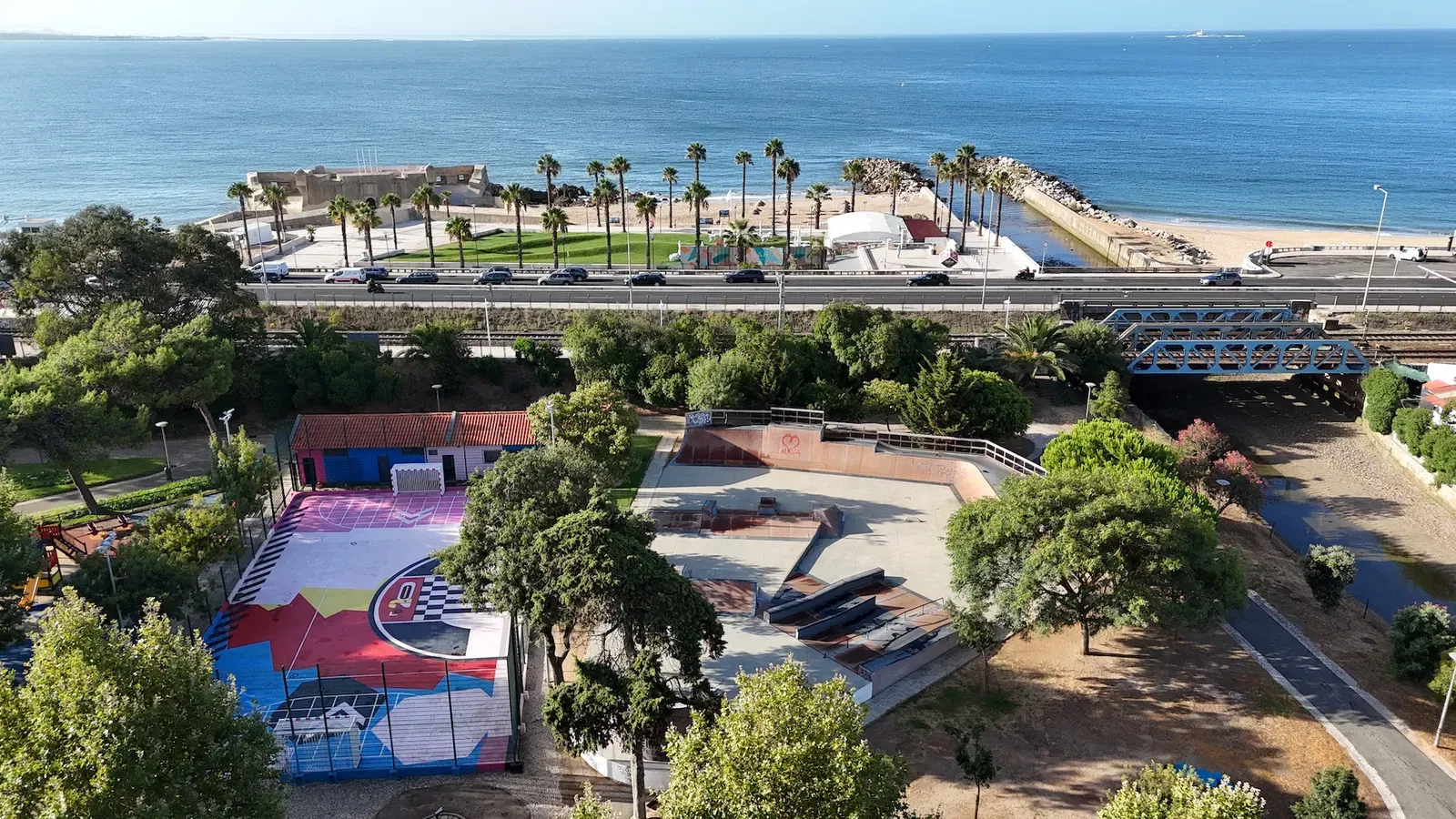
Parque das Gerações in Cascais, Portugal, is a good example of a city that understands that a skatepark is more than concrete. Cascais doesn't just invest in the infrastructure. It invests in the community around it. The municipality supports local events instead of trying to run them itself. And it actively promotes its parks, including on our platform.
We started promoting Parque das Gerações on our website and social channels in May 2026. At that point it ranked 52nd among the most-visited parks in our directory of more than 28,300 parks with over 1300 visits in 2026. Today it ranks first in the world.
To be fair, our promotion isn't the only factor. Cascais was investing in events and community over the same period, and the park was already good. That's exactly the point. Good infrastructure, a living community and real visibility work together. Take away any one of the three and the park goes quiet.
A busy skatepark isn't just good for skaters. It's good for local business. Visiting skaters need coffee, lunch, drinks, a place to sleep, a train ticket and a new pair of shoes, a new board or tattoo as a memory of their holidays. Events multiply that effect.
Take Ventura, California. In 2026 the city spent $150,000 to support the Jackalope skate festival. The event drew more than 50,000 people downtown, about 15,500 more than a normal weekend, with visitors from over 20 countries. The council liked the results enough to vote to fund it again in 2027 and 2028.
It doesn't take a big international festival either. In Australia's Whitsundays, a grassroots skate event in 2024 brought an estimated AU$783,000 into the regional economy (Mackay & Whitsunday Life).
Skateparks also attract tourists on their own. In a survey by GIP Skateparks de France, 86% of skatepark visitors stayed for a weekend or longer and 60% paid for accommodation. And 89% said the skatepark was one of the main reasons for their trip (Eurosima).
Even the value to local users adds up. A study of Lauridsen Skatepark in Des Moines, Iowa found that adult users valued a visit at about $61 per person per day, or roughly $488,000 a year in total. That's the value to skaters, not money the city collects, but it shows how much a good park is worth to the people who use it (UW–Eau Claire).
There's a simple way to estimate it. Take the number of day visitors and multiply it by what each one spends in a day. Then take the number of overnight visitors and multiply it by the nights they stay and what they spend per day. Add the two together and you have the amount spent in the local economy.
An illustration, with assumed numbers: 1,000 extra visitors a year, 600 day trippers spending €40 each and 400 staying one night at €130. That's about €76,000 spent in local cafes, shops, restaurants and hotels. For comparison, a University of Minnesota study of youth ice-skating events found overnight visitors spent about $133 per person per day. Add one well-promoted event a year and that number can multiply many times over.
Now compare that to what it costs to support a local skate community and promote the park for a year. The concrete is already paid for. This is how it starts paying back.
If your city has a skatepark, or is about to build one, here's what I'd ask you to do:
Ask the users before you build. Run a public consultation with local skaters, BMX riders, scooter kids and parents. Let them shape the design, not just approve it.
Budget for life after the ribbon-cutting. Set aside money every year for maintenance and for the community: classes, a local association, a park manager.
Support events, don't run them. Back the people who already organise jams, contests and workshops, and give them the means to do more.
Make your park visible. List it where skaters actually look, with photos, details and an events calendar, and keep it up to date.
Measure the results. Count visitors, track events and look at what local businesses see. Then use that data to decide on the next park
I'll be transparent: this is the work we do. Besides running the world's largest skatepark directory, we help cities with skatepark promotion, event organisation and park management. Every day, skaters use our platform to find their next park. We've seen what happens when a city gets all three right. Parque das Gerações went from 52nd to 1st in our directory in a matter of months.
So is skateboarding dying? No. But a lot of skateparks are being left to die. The good news is that it's fixable, and usually for far less than the cost of the concrete. If you work for a city hall and want your park to be the next one at the top of the list, get in touch.
Join the Trucks and Fins community and receive exclusive news, giveaways, access to subscribers-only
-contests, discounts from our partners and much more directly from us!

Trucks and Fins is a huge present to the whole skate community - not just for the skating people, but also for shops, builders and schools. Super easy to use and can't believe how complete it is.
Pascal Lieleg aka Official Bowlshit

Trucks and Fins is a great resource for checking on local spots if you are traveling or planning a road trip! A one stop resource that is constantly updated with the newest projects as well as those bucket list locations worldwide. The intuitive UI features gps coordinates as well as useful information about shops nearby.
Architect Betonlandschaften

Our skate community has been crying out for a comprehensive guide to global skate spots. Trucks and Fins should be commended on their dedication to mapping the world's STOKE!
Maverick Skateparks

Trucks and Fins brings all of the world's skateparks to you all in one convenient place through their endless search for parks around the world. They have park locations, details, images, and more to help plan your next skate quest wherever that may take you. We appreciate their dedication and passion for skateboarding and the amazing gifts that skateparks and skate spots are.
Steve Zanco, Skatepark Respect
A big part of skateboarding is about finding Animal Chin - your spirit animal, or in other words: whatever gets you stoked. Could be the right people to roll with, or that special dream terrain. Trucks and Fins has all the best skate destinations in one place; a map of stoke in your hands.
Jan Kliewer, Yamato Living Ramps
